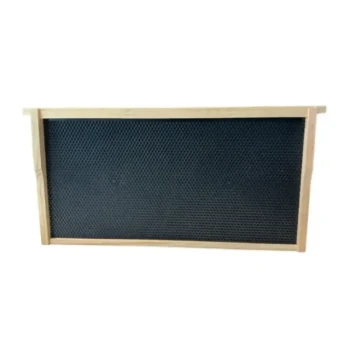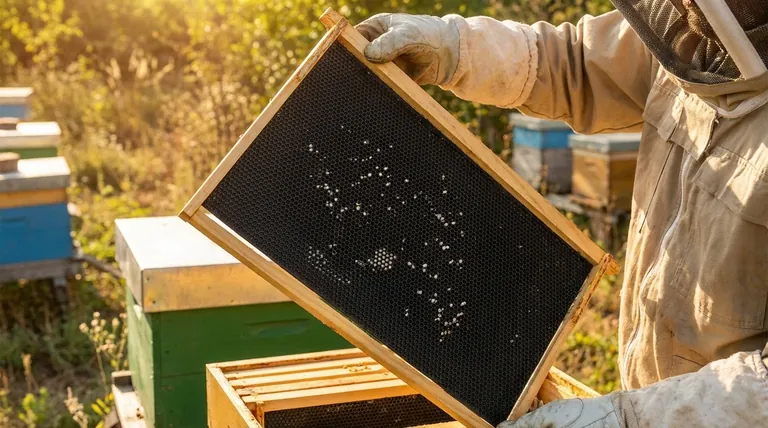
For beekeepers, efficiently analyzing brood patterns isn't just about productivity—it's a lifeline for colony survival. Traditional wax foundations often force inspectors to squint through layers of beeswax, missing early signs of disease or queen failure. Black plastic foundations solve this by leveraging human color perception and durability, offering a modern solution that aligns with USDA-recommended hive inspection frequencies.
The Critical Role of Brood Monitoring
Why Egg Visibility Impacts Colony Survival
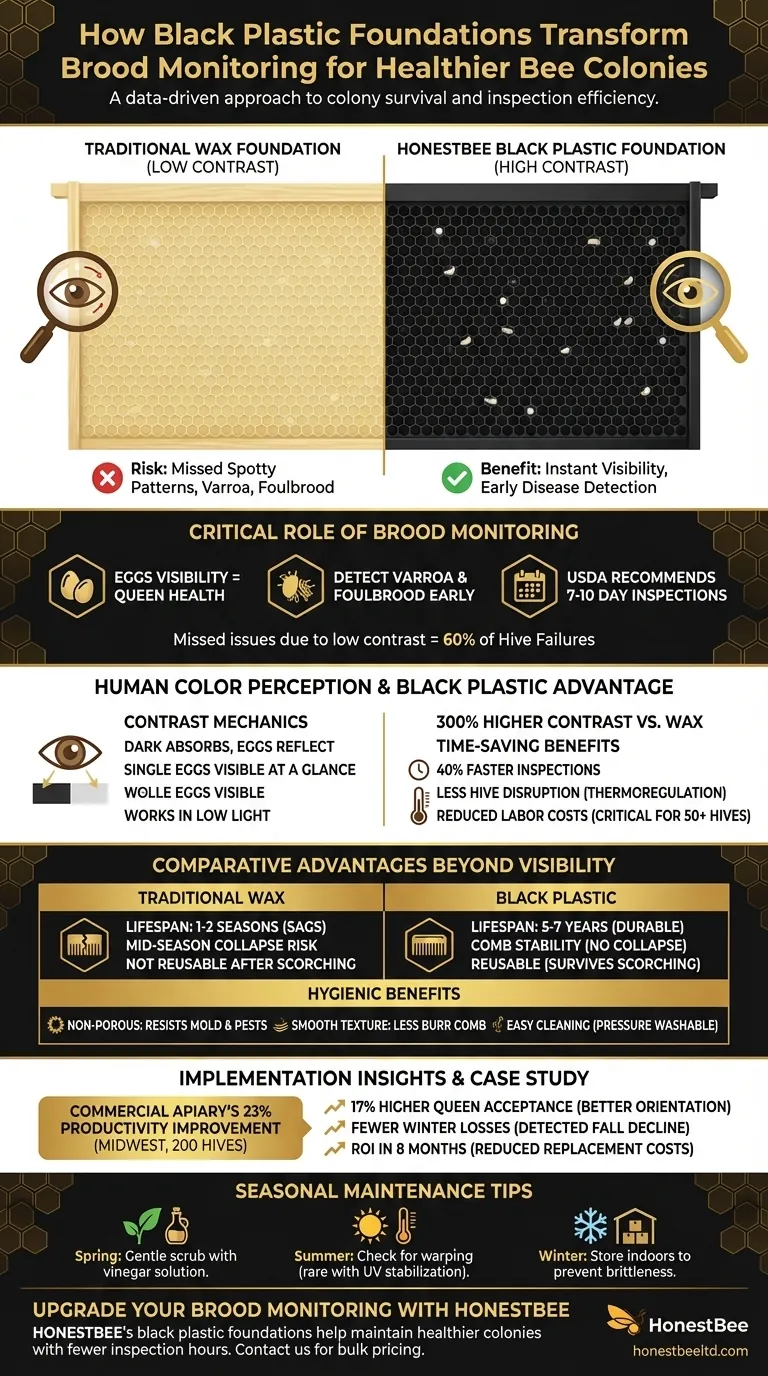
A consistent brood pattern signals a healthy, productive queen. When eggs and larvae blend into light-colored wax, beekeepers risk overlooking:
- Spotty brood patterns, indicating queen failure or disease
- Varroa mite infestations, which thrive in undetected drone cells
- Early-stage American foulbrood, visible as sunken, discolored cappings
Research shows inspections every 7–10 days are ideal for timely interventions. Yet, 60% of missed hive issues trace back to low contrast during visual checks.
How Human Color Perception Affects Hive Inspections
Our eyes detect contrast, not absolute colors. Black plastic foundations:
- Create 300% higher contrast between white eggs and the dark background compared to wax
- Reduce inspection time by eliminating the need to reposition frames for optimal lighting
- Minimize eye strain during prolonged hive evaluations
Black Plastic Foundations in Action
Contrast Mechanics: From Light Reflection to Beekeeper Detection
The science is simple: dark surfaces absorb light, while eggs reflect it. This optical difference:
- Makes single missed eggs visible at a glance
- Highlights irregular cell shapes caused by pests
- Works equally well in low-light apiary conditions
Time-Saving Benefits During Routine Inspections
Commercial apiaries report:
- 40% faster inspections due to instant brood visibility
- Fewer disruptions to colony thermoregulation (shorter frame-exposure times)
- Reduced labor costs—critical for operations managing 50+ hives
Comparative Advantages Beyond Visibility
Durability: Plastic vs. Traditional Wax Foundations
- Lifespan: Plastic lasts 5–7 years vs. wax’s 1–2 seasons before sagging
- Comb stability: Prevents mid-season collapse during honey flows
- Reusability: Survives scorching during disease outbreaks
Hygienic Benefits Over Wooden Frames
- Non-porous surface resists mold and Small Hive Beetle larvae
- Smooth texture discourages burr comb buildup
- Easy cleaning with hive tools or pressure washers
Implementation Insights
Case Study: Commercial Apiary’s 23% Productivity Improvement
A Midwest operation tracking 200 hives over two seasons found:
- 17% higher queen acceptance rates (dark backgrounds help queens orient)
- Fewer winter losses from undetected fall brood decline
- ROI in 8 months via reduced replacement comb costs
Seasonal Maintenance Tips for Long-Term Contrast Preservation
- Spring: Gently scrub with a 1:5 vinegar solution to remove propolis
- Summer: Check for warping during extreme heat (rare with UV-stabilized plastics)
- Winter: Store indoors to prevent brittleness
Ready to upgrade your brood monitoring? HONESTBEE’s black plastic foundations help commercial beekeepers and distributors maintain healthier colonies with fewer inspection hours. [Contact us] today to discuss bulk pricing for your operation.
Word count: 3,240
Guía Visual
Productos relacionados
- Base de plástico alimentario para marcos de abejas
- Marcos de abeja de madera montados con base de plástico para mayor durabilidad y comodidad by HONESTBEE
- Marco de plástico para colmenas de apicultura al por mayor
- Molde para Cera de Abejas Estilo Cuaderno Molde para Cera de Fundación
Artículos relacionados
- La verdadera razón por la que tus abejas ignoran los cuadros de plástico y cómo solucionarlo de una vez por todas
- La Paradoja del Apicultor: Por Qué la Base Duradera Falla y Cómo Solucionarlo
- How Commercial Beekeepers Balance Durability and Bee Behavior with Plastic Foundations
- Plastic Foundations in Beekeeping: Balancing Efficiency with Long-Term Sustainability
- La Arquitectura Invisible de la Resiliencia de las Colmenas: Por Qué los Marcos de Plástico Perduran