Beekeepers face a critical challenge when introducing new queens: balancing hive stability with necessary genetic renewal. This science-backed guide reveals proven strategies for successful queen integration while minimizing colony stress.
Queen Acceptance Fundamentals
Successful queen introduction begins with understanding the hive's intricate social structure. Worker bees don't automatically accept new royalty—they require convincing through pheromones and behavioral cues.
Pheromone Dynamics in Hive Hierarchy
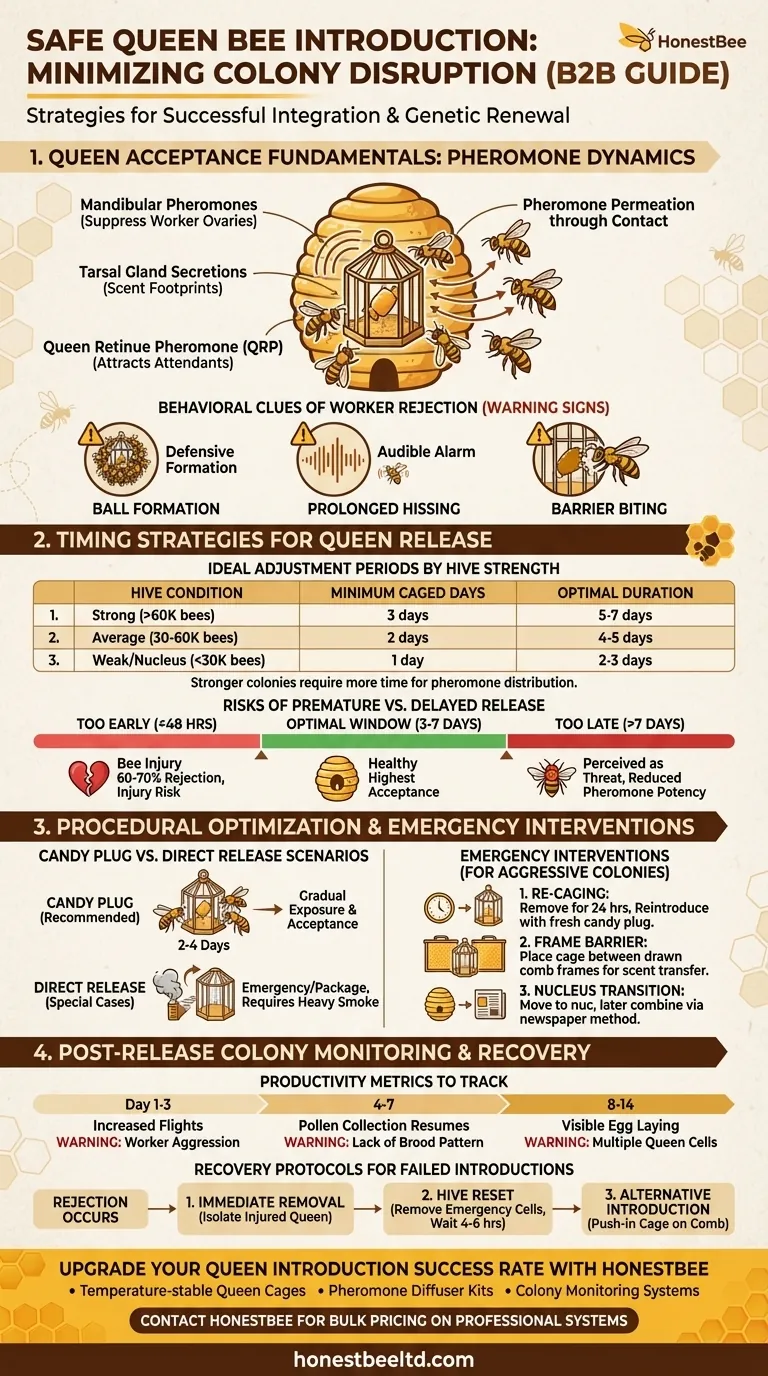
The queen's pheromones serve as chemical ID cards, signaling her reproductive status and unifying the colony. Research shows workers assess new queens through:
- Mandibular Pheromones: Dominance indicators that suppress worker ovary development
- Tarsal Gland Secretions: "Scent footprints" left during comb inspection
- Queen Retinue Pheromone (QRP): A complex chemical signature attracting attendant bees
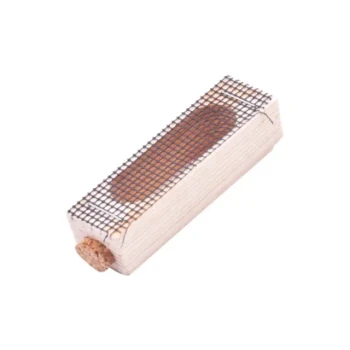
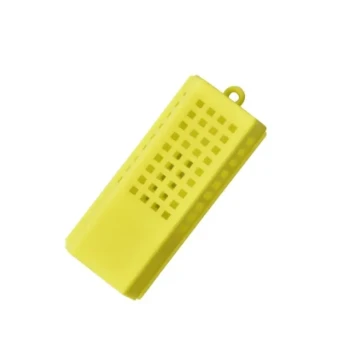
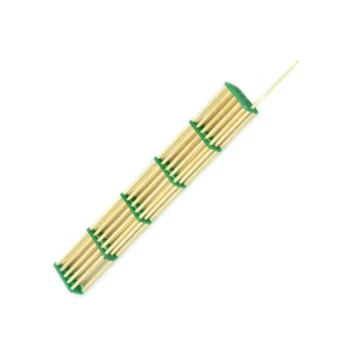
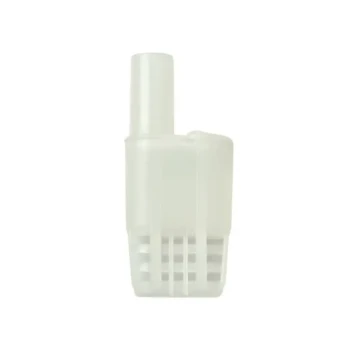
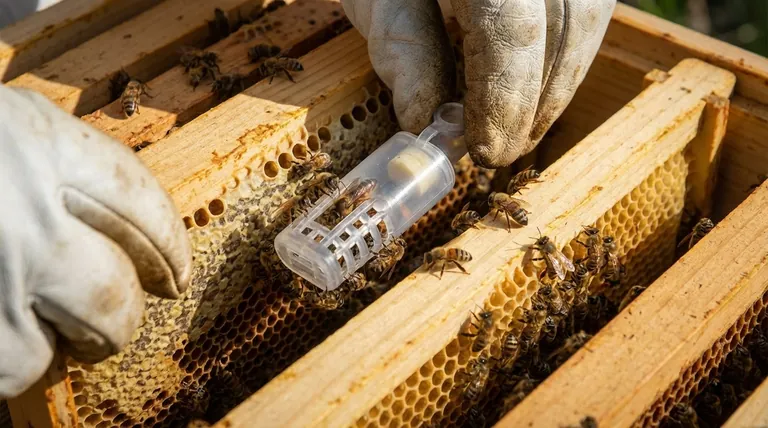
When introducing a caged queen, these pheromones gradually permeate the hive through worker contact, building acceptance before release.
Behavioral Clues of Worker Rejection
Watch for these warning signs during the adjustment period:
- Ball Formation: Workers clustering tightly around the cage in a defensive posture
- Prolonged Hissing: Audible vibrations signaling alarm
- Barrier Biting: Attempts to damage the cage rather than feed the queen
Hives showing these behaviors need extended acclimation before release attempts.
Timing Strategies for Queen Release
The ideal release window depends on your colony's strength and temperament.
Ideal Adjustment Periods by Hive Strength
| Hive Condition | Minimum Caged Days | Optimal Duration |
|---|---|---|
| Strong (>60K bees) | 3 days | 5-7 days |
| Average (30-60K bees) | 2 days | 4-5 days |
| Weak/Nucleus (<30K bees) | 1 day | 2-3 days |
Stronger colonies require more time for pheromone distribution across larger populations.
Risks of Premature vs. Delayed Release
Too Early (Under 48 hours):
- 60-70% rejection rate in established hives
- Increased likelihood of queen injury
Too Late (Over 7 days):
- Worker bees may perceive caged queen as a threat
- Reduced pheromone potency in confined conditions
Procedural Optimization
Candy Plug vs. Direct Release Scenarios
Candy Plug Method (Recommended for Most Hives)
- Workers slowly eat through sugar barrier (typically 2-4 days)
- Gradual exposure allows pheromone integration
- Queen emerges into a partially accepting environment
Direct Release (Special Cases Only)
- Emergency requeening after sudden queen loss
- Package bee installations
- Requires heavy smoke application to mask foreign scents
Emergency Interventions for Aggressive Colonies
For hives showing persistent rejection:
-
Re-caging Technique:
- Remove rejected queen for 24 hours
- Reintroduce with fresh candy plug
-
Frame Barrier Method:
- Place queen cage between drawn comb frames
- Limits direct worker access while allowing scent transfer
-
Nucleus Hive Transition:
- Move queen to small nuc with young bees
- Later combine with main hive using newspaper method
Post-Release Colony Monitoring
Productivity Metrics to Track
| Days Post-Release | Expected Activity | Warning Signs |
|---|---|---|
| 1-3 | Increased inspection flights | Worker aggression at entrance |
| 4-7 | Pollen collection resumes | Lack of brood pattern development |
| 8-14 | Visible egg laying | Multiple queen cells constructed |
Recovery Protocols for Failed Introductions
When rejection occurs:
- Immediate Removal: Isolate the injured queen to prevent pheromone confusion
-
Hive Reset:
- Remove all emergency queen cells
- Wait 4-6 hours before reintroduction attempt
-
Alternative Introduction:
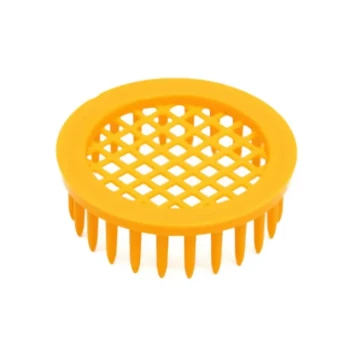
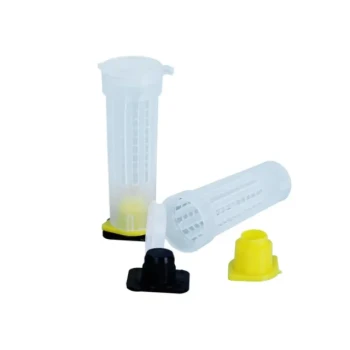
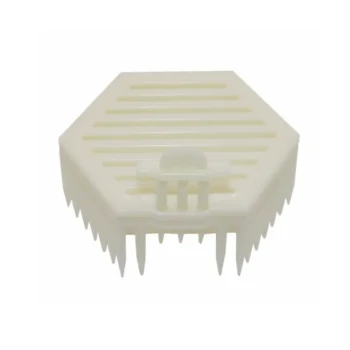
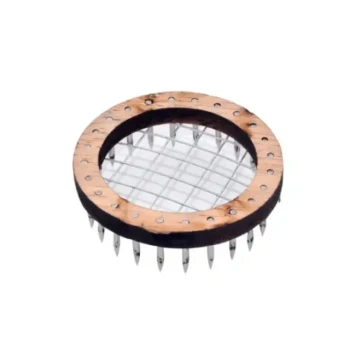
- Use a push-in cage directly on comb
- Allows controlled worker interaction
Ready to Upgrade Your Queen Introduction Success Rate?
HONESTBEE's beekeeping supplies give commercial apiaries the tools for stress-free hive management. Our wholesale-focused equipment helps distributors supply beekeepers with:
- Temperature-stable queen cages for safe transport
- Pheromone diffuser kits to ease acceptance
- Colony monitoring systems tracking hive vitality post-introduction
Contact HONESTBEE today for bulk pricing on professional-grade introduction systems—because every successful requeening strengthens the entire apiary.
Guía Visual
Productos relacionados
- Jaula de Primavera para Abeja Reina de Acero Galvanizado Duradero
- Jaula Profesional para Introducción y Transporte de Abejas Reina
- Jaula Profesional Multifuncional para Abejas Reina
- Jaula para Abeja Reina Profesional con Compuerta Deslizante y Tapón Alimentador
- Jaula Clásica de Madera y Malla para Reina Tamaño California Queen
Artículos relacionados
- Una Tregua Diseñada: La Psicología de la Jaula de Abejas Reina
- Maximización del Valor de las Jaulas para Abejas Reina: Guía del Apicultor para la Reutilización Segura y Ahorros a Largo Plazo
- Un Lanzamiento Programado de Poder: La Ingeniería Social de la Jaula de la Reina
- El Portaceldas de la Abeja Reina: Un Enfoque Sistémico para la Bioseguridad de Apiarios
- La Interfaz Diplomática: Por Qué el Mantenimiento de las Jaulas de Abejas Reina es un Estudio en Gestión de Riesgos