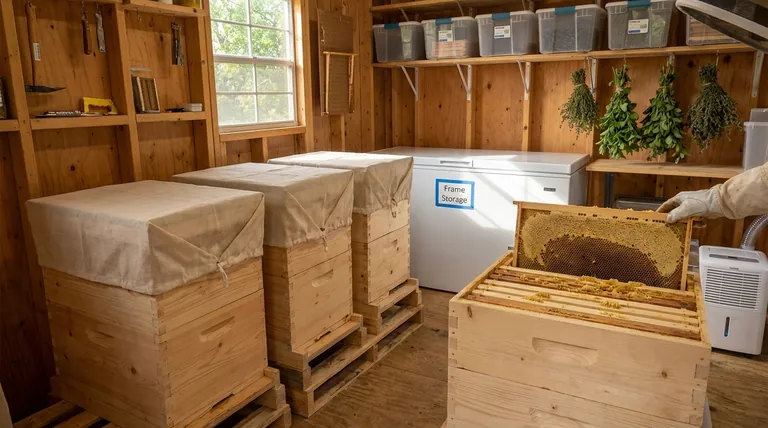
Preserving your beekeeping equipment between seasons isn’t just about storage—it’s about safeguarding future honey yields. Poorly stored frames and supers attract pests, encourage mold growth, and force bees to rebuild comb instead of focusing on honey production. This guide reveals proven strategies to maintain comb integrity, deter infestations, and create optimal storage conditions so your equipment stays ready for peak productivity.
Maximizing Honey Flow Through Strategic Frame Storage
Bees reuse drawn comb 2–3 times faster than building new wax, directly translating to earlier nectar collection. But this advantage disappears if stored frames degrade. Here’s how to preserve comb quality:
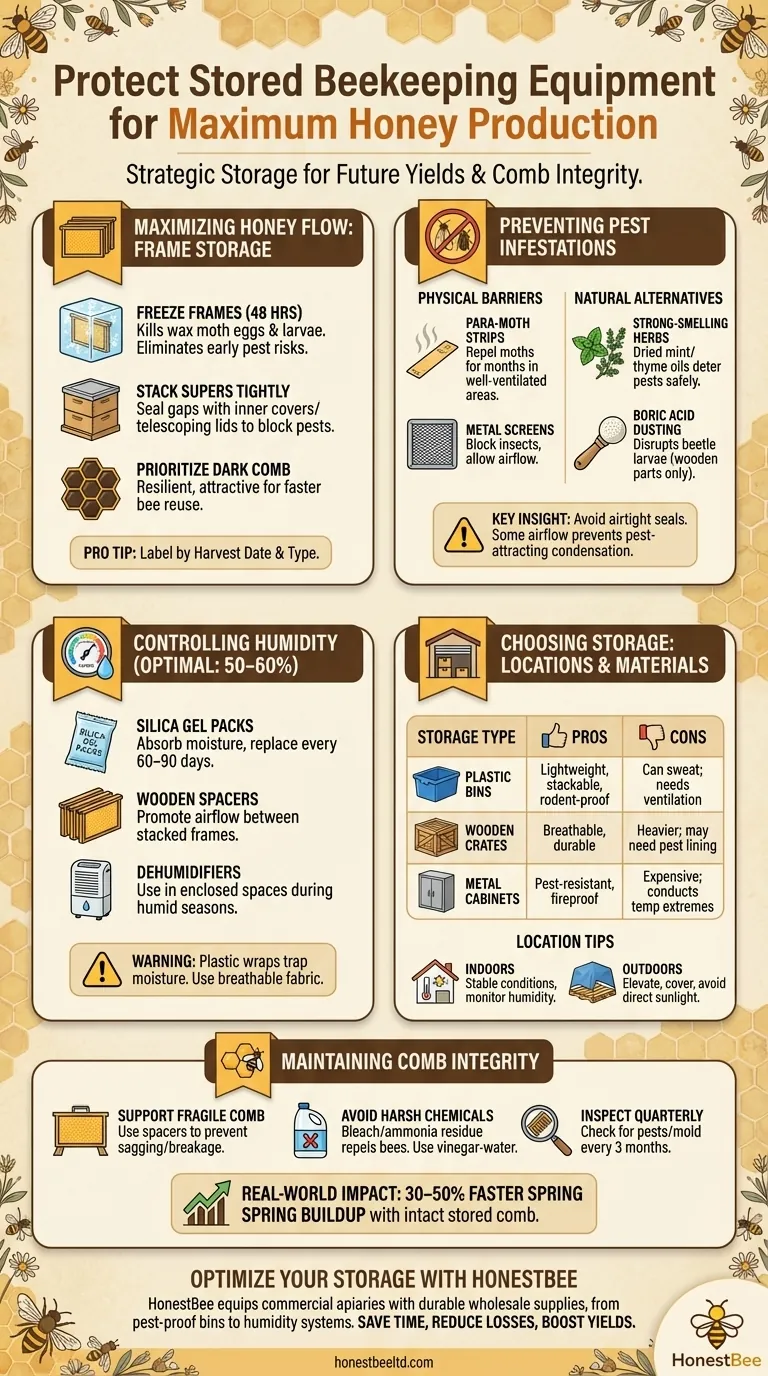
- Freeze Frames First: Kill wax moth eggs and larvae by freezing frames for 48 hours before storage. Research shows this eliminates nearly all pest risks at the earliest stage.
- Stack Supers Tightly: Use inner covers or telescoping lids to seal stacked honey supers, preventing gaps where pests enter.
- Prioritize Dark Comb: Bees prefer rebuilding light-colored wax. Store darker, well-used comb for reuse; it’s more resilient and attractive to colonies.
Pro Tip: Label stored frames by harvest date and honey type (e.g., "Spring Wildflower") to streamline rotations.
Preventing Pest Infestations in Stored Beekeeping Equipment
Wax moths and small hive beetles can destroy comb in weeks. While freezing helps, long-term storage requires additional defenses:
Physical Barriers
- Para-Moth Strips: These non-toxic deterrents repel moths for months. Place them between supers in a well-ventilated area.
- Metal Screens: Install mesh screens over storage room vents to block insects while allowing airflow.
Natural Alternatives
- Strong-Smelling Herbs: Lay dried mint or thyme between frames; their oils deter pests without harming bees.
- Boric Acid Dusting: A light application to wooden hive parts disrupts beetle larvae development.
Key Insight: Avoid airtight seals—some airflow prevents condensation that attracts pests.
Controlling Humidity to Avoid Mold and Comb Degradation
Honeycomb absorbs moisture, leading to mold or fermentation. The optimal humidity range for storage falls between 50–60%—high enough to prevent wax brittleness but low enough to inhibit microbial growth.
Practical Humidity Control
- Silica Gel Packs: Place moisture absorbers in storage bins, replacing them every 60–90 days.
- Wooden Spacers: Separate stacked frames with wooden slats to promote airflow.
- Dehumidifiers: Use small electric models in enclosed storage sheds during humid seasons.
Warning: Plastic-wrapped comb traps moisture. Opt for breathable fabric covers instead.
Choosing Storage Locations and Materials for Long-Term Protection
Where and how you store equipment impacts its lifespan. Compare options:
| Storage Type | Pros | Cons |
|---|---|---|
| Plastic Bins | Lightweight, stackable, rodent-proof | Can sweat; requires ventilation holes |
| Wooden Crates | Breathable, durable | Heavier; may need pest-proof lining |
| Metal Cabinets | Pest-resistant, fireproof | Expensive; conducts temperature extremes |
Location Tips
- Indoors: Basements or climate-controlled rooms offer stable conditions but monitor for humidity.
- Outdoors: Elevate equipment on pallets under waterproof tarps. Avoid direct sunlight, which warps wax.
Maintaining Comb Integrity for Faster Bee Reuse
Bees prioritize repairing existing comb over drawing new wax, but only if stored combs remain intact:
- Support Fragile Comb: Use frame spacers to prevent sagging or breakage.
- Avoid Harsh Chemicals: Bleach or ammonia residues drive bees away. Clean with a vinegar-water solution if needed.
- Inspect Quarterly: Check for pest activity or mold every 3 months, replacing damaged frames promptly.
Real-World Impact: Apiaries that implement these steps report 30–50% faster spring buildup compared to those with degraded stored comb.
Ready to Optimize Your Beekeeping Storage?
Protecting your equipment means protecting your future honey harvests. HONESTBEE equips commercial apiaries and distributors with wholesale beekeeping supplies designed for durability—from pest-proof storage bins to humidity-control systems. Discover how our solutions help you save time, reduce losses, and boost yields season after season.
What’s your biggest challenge in storing beekeeping equipment? Share your experiences below.
Guía Visual
Productos relacionados
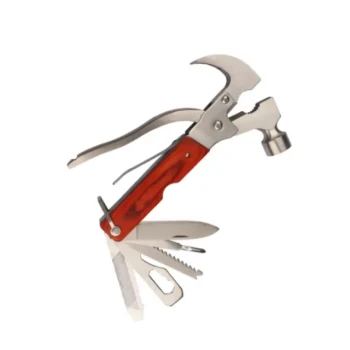
- HONESTBEE Multiherramienta apícola 15 en 1 con martillo y alicates para apicultura
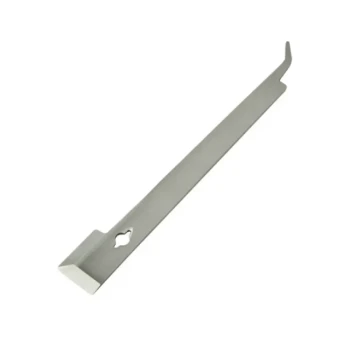
- Herramienta de colmena con gancho en J de acero inoxidable para apicultura
- Herramienta de injerto de reinas de acero inoxidable para apicultura e injerto de reinas de abejas
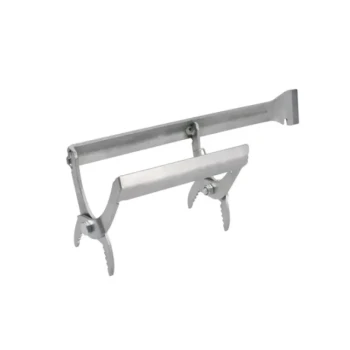
- Herramienta multifunción para colmenas con agarre de marco tipo alicate
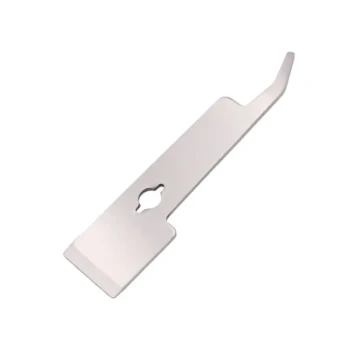
- Mini gancho en J profesional HONESTBEE Herramienta para colmenas de abejas
Artículos relacionados
- Cómo elegir herramientas de apicultura: una guía práctica para cada presupuesto y clima
- Herramientas apícolas esenciales: Cómo la preparación estratégica mejora la salud y la seguridad de las colmenas y el rendimiento de la miel
- Herramientas Apícolas Esenciales: Cómo elegir y utilizar las herramientas para un manejo seguro y eficaz de las colmenas
- La Interfaz Humana: Por qué la Calma de un Apicultor es la Herramienta Definitiva para la Colmena
- Cómo dominar las herramientas apícolas esenciales con seguridad y eficacia