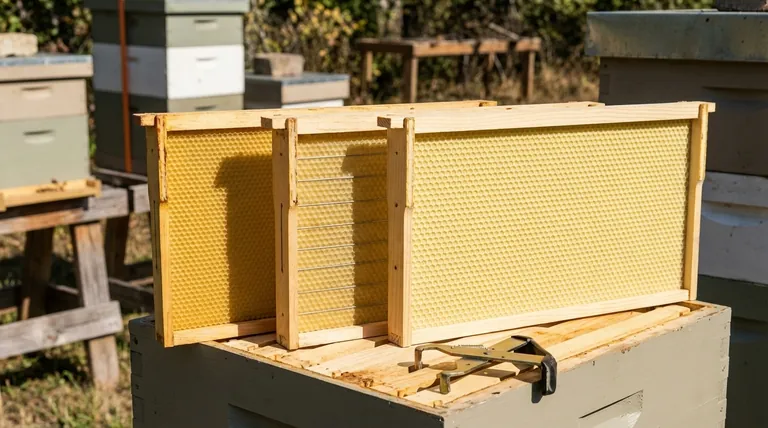
When building or maintaining wooden frames—especially in beekeeping—the foundation you choose impacts longevity, hive health, and operational costs. This guide compares wire, wax, and plastic foundations, helping you balance durability, affordability, and pest resistance.
Key Features of Wire Foundations
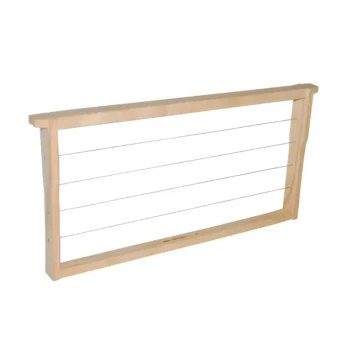
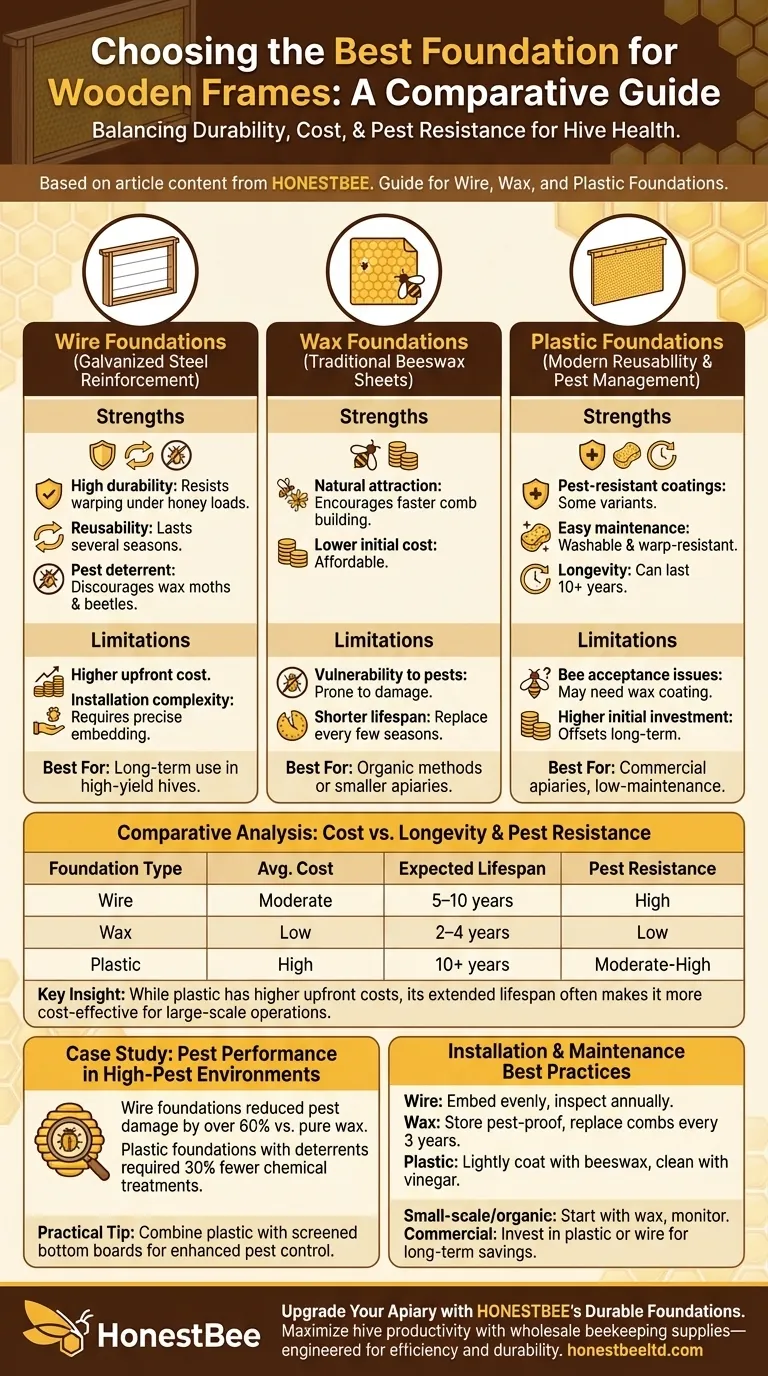
Wire foundations, typically made of galvanized steel, offer structural reinforcement for wooden frames.
Strengths:
- High durability: Resists warping under heavy honey loads.
- Reusability: Lasts several seasons with proper maintenance.
- Pest deterrent: Metal wires discourage wax moths and small hive beetles from tunneling.
Limitations:
- Higher upfront cost: More expensive than wax or plastic.
- Installation complexity: Requires precise embedding into wax sheets.
Best for: Beekeepers prioritizing long-term use in high-yield hives.
Strengths and Limitations of Wax Foundations
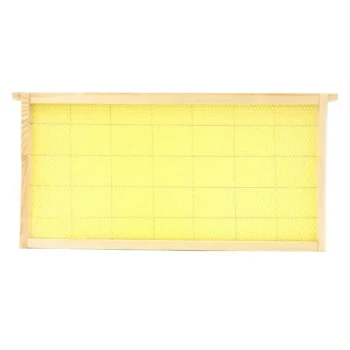
Wax foundations are traditional choices, made from beeswax sheets imprinted with hexagonal cell patterns.
Strengths:
- Natural attraction: Encourages faster comb building by worker bees.
- Lower initial cost: Affordable for small-scale beekeepers.
Limitations:
- Vulnerability to pests: Wax moths and beetles can damage untreated foundations.
- Shorter lifespan: Requires replacement every few seasons due to wear.
Best for: Beekeepers favoring organic methods or managing smaller apiaries.
Plastic Foundations: Reusability and Pest Resistance
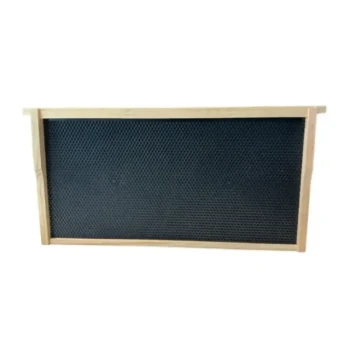
Plastic foundations combine durability with modern pest-management features.
Strengths:
- Pest-resistant coatings: Some variants include antimicrobial treatments.
- Easy maintenance: Washable and warp-resistant.
- Longevity: Can last over a decade with proper care.
Limitations:
- Bee acceptance issues: May require light wax coating to encourage comb building.
- Higher initial investment: More costly than wax but offsets long-term replacement needs.
Best for: Commercial apiaries needing low-maintenance, reusable solutions.
Comparative Analysis: Cost vs. Longevity
| Foundation Type | Avg. Cost (Per Unit) | Expected Lifespan | Pest Resistance |
|---|---|---|---|
| Wire | Moderate | 5–10 years | High |
| Wax | Low | 2–4 years | Low |
| Plastic | High | 10+ years | Moderate-High |
Key Insight: While plastic has higher upfront costs, its extended lifespan often makes it more cost-effective for large-scale operations.
Case Study: Foundation Performance in High-Pest Environments
Research shows that in areas with persistent wax moths or hive beetles:
- Wire foundations reduced pest damage by over 60% compared to pure wax.
- Plastic foundations with integrated pest deterrents required 30% fewer chemical treatments.
Practical Tip: Combine plastic foundations with screened bottom boards for enhanced pest control.
Installation and Maintenance Best Practices
-
For Wire Foundations:
- Embed wires evenly to prevent honeycomb distortion.
- Inspect annually for rust or detachment.
-
For Wax Foundations:
- Store unused sheets in pest-proof containers.
- Replace combs every 3 years to prevent pest buildup.
-
For Plastic Foundations:
- Lightly coat with beeswax to improve bee acceptance.
- Clean with a vinegar solution between seasons.
Final Recommendation
- Small-scale/organic beekeepers: Start with wax foundations but monitor for pests.
- Commercial apiaries: Invest in plastic or wire for long-term savings.
Upgrade Your Apiary with HONESTBEE’s Durable Foundations
Maximize hive productivity with HONESTBEE’s wholesale beekeeping supplies—engineered for commercial beekeepers who value efficiency and durability. Explore our foundation options today to build stronger, pest-resistant colonies.
Guía Visual
Productos relacionados
- Hojas de cera de abejas para base de maquillaje de colmena para mayoristas
- Marco de plástico para colmenas de apicultura al por mayor
- Base de plástico alimentario para marcos de abejas
- HONESTBEE Marcos de madera para abejas montados y cableados Fundación para una colmena próspera
- Marcos de madera para abejas montados con base de cera de abejas listos para usar by HONESTBEE
Artículos relacionados
- How to Choose and Use Budget-Friendly Tools for Durable Beeswax Foundations
- Cómo las bases de cera de abeja mejoran la salud de las colonias y la eficiencia de la apicultura
- Por qué sus láminas de cera de abejas se agrietan y cómo detenerlo para siempre
- De líquido a rejilla: Dominando el control térmico en el apilamiento de cera de abeja
- Por qué falla tu cera de abeja: una guía para prevenir costosas deformaciones y roturas