A beehive's inner cover is its unsung hero—a simple yet meticulously designed component that directly impacts colony health, productivity, and beekeeper efficiency. From engineered ventilation to seasonal insulation strategies, this guide explores why proper inner cover usage is non-negotiable for thriving apiaries.
The Functional Anatomy of a Beehive Inner Cover
How Ventilation and Insulation Are Engineered into Design
Inner covers are precision tools for microclimate control. Their design addresses two critical needs:
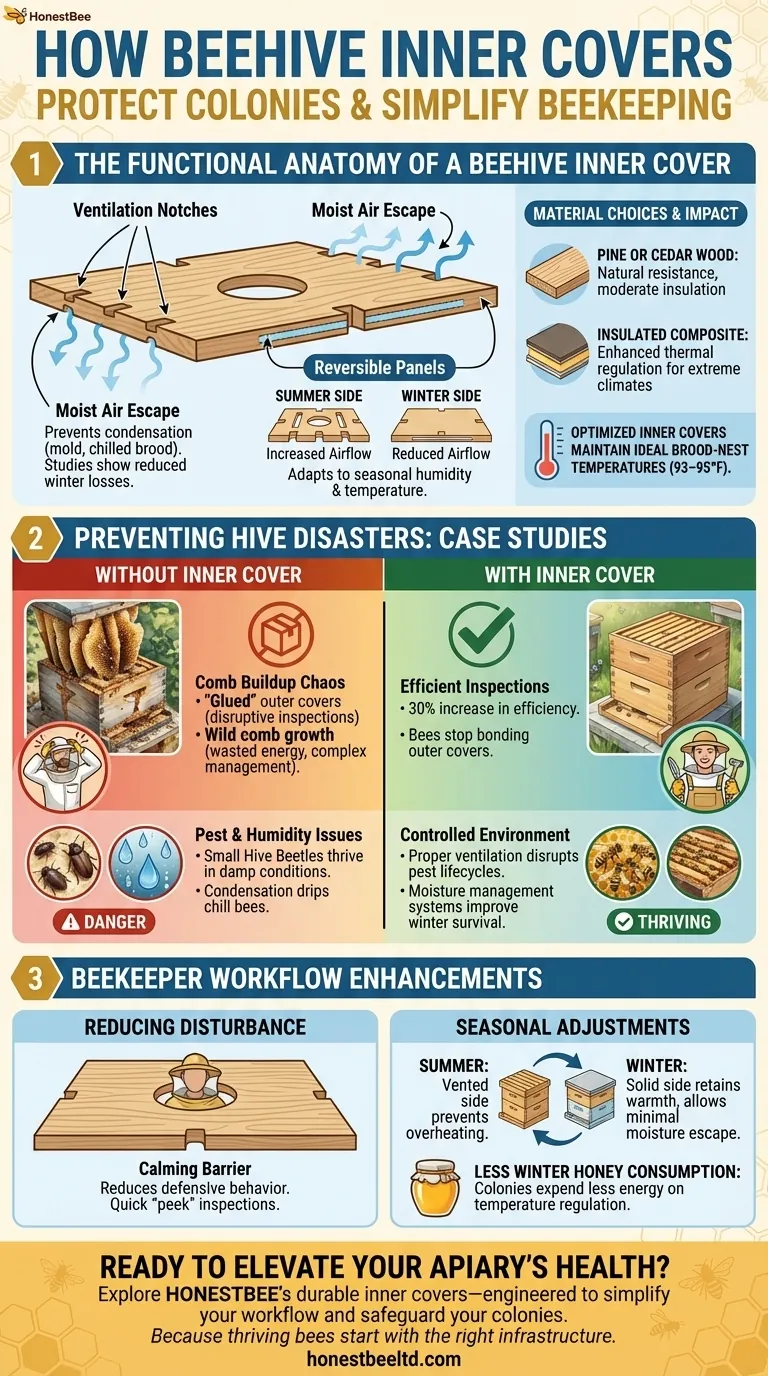
- Ventilation Notches: Small openings near the edges allow moist air to escape, preventing condensation that can lead to mold or chilled brood. Research shows hives with proper ventilation reduce winter colony losses by significant margins.
- Reversible Panels: Many designs feature a summer side (with larger openings) and a winter side (with reduced airflow) to adapt to seasonal humidity and temperature shifts.
The space between the inner and outer covers acts as a buffer zone, insulating against temperature extremes while letting excess moisture dissipate.
Material Choices and Their Impact on Hive Microclimates
- Pine or Cedar Wood: Naturally resists warping and provides moderate insulation.
- Insulated Composite Materials: Used in extreme climates to enhance thermal regulation.
A study of insulated hives revealed that colonies with optimized inner covers maintained brood-nest temperatures within the ideal range (around 93–95°F) even during cold snaps.
Preventing Hive Disasters: Case Studies from the Field
Comb Buildup Chaos: When Inner Covers Are Omitted
Beekeepers who skip inner covers often face:
- "Glued" Outer Covers: Bees seal gaps with propolis, making inspections disruptive.
- Wild Comb Growth: Bees build erratic comb in the empty space, wasting energy and complicating hive management.
One commercial apiary reported a 30% increase in inspection efficiency after adopting inner covers, as bees stopped bonding outer covers to frames.
Pest Infestations and Humidity Imbalances
- Small Hive Beetles: Thrive in damp conditions. Proper ventilation disrupts their lifecycle.
- Condensation Drips: In winter, unchecked moisture drips onto the cluster, chilling bees. Field observations note colonies with moisture management systems survive winter at higher rates.
Beekeeper Workflow Enhancements
Reducing Hive Disturbance During Inspections
Inner covers create a "calming barrier":
- Bees perceive the space below the cover as part of their hive, reducing defensive behavior.
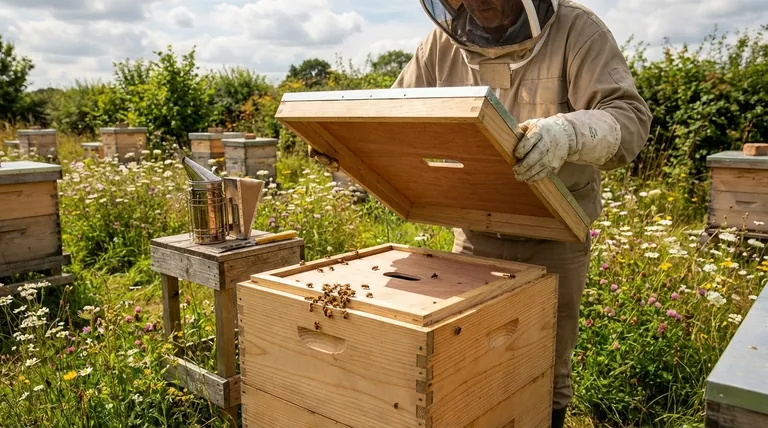
- Beekeepers can quickly peek through the central hole to assess brood patterns without fully opening the hive.
Seasonal Adjustments for Temperature Control
- Summer: Flip to the vented side to prevent overheating.
- Winter: Use the solid side to retain warmth while allowing minimal moisture escape.
Anecdotal data from northern beekeepers show colonies with seasonally adjusted inner covers consume less stored honey in winter, as they expend less energy regulating temperature.
Ready to Elevate Your Apiary’s Health?
HONESTBEE’s beekeeping supplies are designed for commercial apiaries and distributors who prioritize hive longevity and operational efficiency. Explore our durable inner covers—engineered to simplify your workflow and safeguard your colonies.
Because thriving bees start with the right infrastructure.
Guía Visual
Productos relacionados
- Tapa interior para colmenas de abejas Tapa interior para colmenas de abejas
- Envoltura aislante profesional para colmenas de invierno para apicultura
- Tapa exterior telescópica con chapa galvanizada para colmena y tapa exterior de colmena Langstroth
- Colmenas profesionales de plástico aislante
- Colmena redonda de acero inoxidable para ventilación
Artículos relacionados
- La Interfaz Silenciosa: Cómo una Sencilla Tapa Interior Evita una Guerra en la Colmena
- Cómo Asegurar las Tapas de las Colmenas: Estrategias a Prueba de Clima para Cada Tipo de Colmena
- Cómo las tapas interiores optimizan la salud de las colmenas en cada estación
- Más allá del calor: la física de la supervivencia de las colmenas en invierno
- La Paradoja del Calor: Por Qué una Colmena Debe Respirar para Sobrevivir al Invierno