When choosing honey, consumers face a critical trade-off: the convenience of long shelf life versus the nutritional benefits of raw honey. This article breaks down how pasteurization affects honey's health properties and provides practical guidance for selecting the right type based on your needs.
How Honey Pasteurization Works
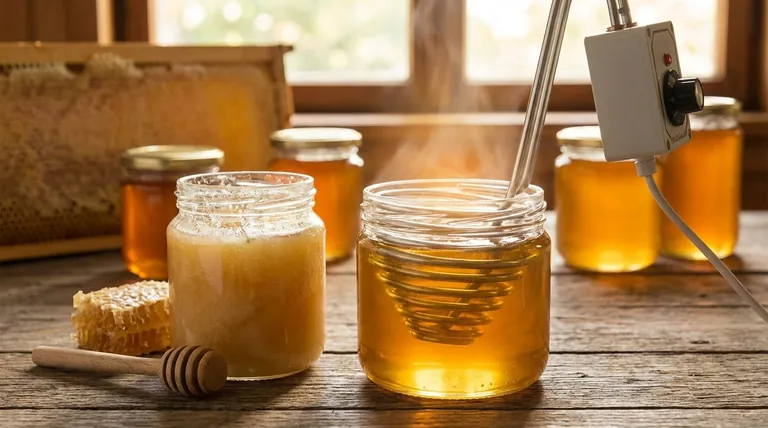
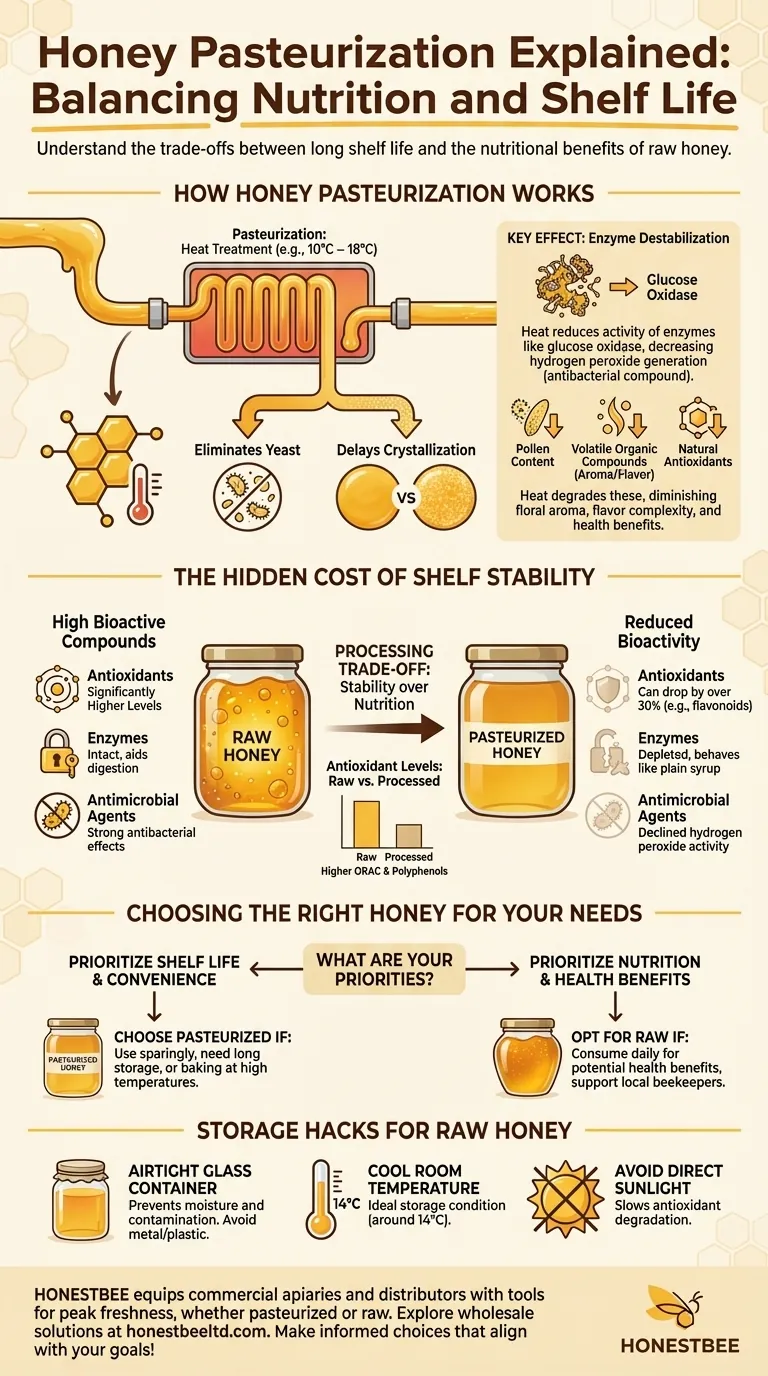
Pasteurization extends honey’s shelf life by eliminating yeast and delaying crystallization—but at what cost? The process hinges on heat, which alters honey’s natural composition in two key ways.
The Role of Temperature in Enzyme Denaturation
Heating honey to temperatures between 10°C and 18°C (the range used industrially to manage crystallization) also destabilizes enzymes like glucose oxidase, which generates hydrogen peroxide—a compound linked to honey’s antibacterial effects. Research shows that prolonged heat exposure reduces this enzyme’s activity, diminishing one of raw honey’s standout health benefits.
How Heat Alters Honey’s Biochemical Profile
Beyond enzymes, heat degrades:
- Pollen content, which may carry trace nutrients and regional health benefits
- Volatile organic compounds responsible for floral aroma and flavor complexity
- Natural antioxidants, including phenolic acids and flavonoids
The takeaway? Pasteurization prioritizes stability over bioactive compounds.
The Hidden Cost of Shelf Stability
While pasteurized honey resists clouding and fermentation longer, its nutritional profile often suffers. Here’s what you lose with processing.
Key Nutrients Lost During Pasteurization
- Antioxidants: Raw honey retains significantly higher levels of free-radical-fighting compounds. Studies note that heat-sensitive flavonoids can drop by over 30% after pasteurization.
- Enzymes: Diastase and invertase, which aid digestion and sugar breakdown, are heat-sensitive. Their depletion means pasteurized honey behaves more like plain syrup in your body.
- Antimicrobial agents: The hydrogen peroxide activity in raw honey—linked to wound-healing benefits—declines with heat treatment.
Comparing Antioxidant Levels: Raw vs. Processed Honey
Though exact values vary by honey source, raw versions consistently show:
- Stronger antibacterial effects in lab tests
- Higher ORAC (Oxygen Radical Absorbance Capacity) scores, indicating better free-radical neutralization
- More intact polyphenols, which support immune function
For health-focused buyers, raw honey’s trade-offs—shorter shelf life, faster crystallization—may be worth the nutritional upside.
Choosing the Right Honey for Your Needs
Not all honey use cases demand the same features. Here’s how to match your priorities to the right product.
When to Prioritize Shelf Life (and When Not To)
Choose pasteurized honey if:
- You use honey sparingly and need it to last months without texture changes
- You’re baking at high temperatures (since heat will destroy raw honey’s enzymes anyway)
Opt for raw honey when:
- You consume it daily (e.g., in tea or oatmeal) for potential health benefits
- You want to support local beekeepers (smaller producers often skip pasteurization)
Storage Hacks for Preserving Raw Honey’s Benefits
To extend raw honey’s lifespan without pasteurization:
- Store in an airtight container at cool room temperature (14°C is ideal)
- Avoid metal or plastic containers; glass prevents chemical leaching
- Keep away from direct sunlight to slow antioxidant degradation
Ready to source high-quality honey or beekeeping supplies? HONESTBEE equips commercial apiaries and distributors with the tools to produce, store, and deliver honey at peak freshness—whether pasteurized or raw. Explore our wholesale solutions to meet your operational needs.
By understanding pasteurization’s compromises, you can make informed choices that align with your health goals and practical requirements. After all, the best honey is the one that serves your priorities—whether that’s longevity, nutrition, or a balance of both.
Guía Visual
Productos relacionados
- Máquina llenadora pequeña de miel de doble boquilla Equipo de envasado de sobres de miel
- Pequeña máquina de llenado de miel Equipo de envasado de sobres Boquilla única
- Máquina llenadora manual de miel Máquina embotelladora de miel
- Deshumidificador y Secador de Miel de 0.5T con Calentamiento al Vacío y Máquina de Filtración Engrosada
- Tanque de descristalización de la máquina de procesamiento de miel de acero inoxidable de alta resistencia
Artículos relacionados
- El cuello de botella de tu miel no es la llenadora. Es todo lo demás.
- Cómo elegir entre llenadoras de miel semiautomáticas y automáticas para obtener el máximo retorno de la inversión
- Por qué sus botellas de miel se ven inconsistentes en el estante y por qué la solución no es la que cree
- Más allá del Flujo: La Física y Psicología del Llenado de Tarros de Miel
- El Costo Oculto del Llenado Manual de Miel: Un Argumento a Favor de la Automatización